







When the August sun pushes attic temperatures to 120–140°F, Wylie homeowners often feel the pinch in their energy bills. Proper airflow can make the difference between an overheated roof system and a balanced home that stays cooler without overworking the air conditioning. In this guide, we’ll explore expert roof ventilation tips in Wylie to help you tackle the brutal summer heat. From soffit vents to ridge vents, this educational guide combines local knowledge, licensed roofer insights, and practical homeowner advice tailored to Texas conditions.
Why Roof Ventilation Matters in Wylie
The combination of high summer heat and sudden weather shifts, like hailstorms in Collin County or quick-moving thunderstorms that roll across North Texas, creates unique roofing challenges. Poor airflow traps hot, moist air in the attic, leading to warped shingles, mold growth, and energy inefficiency. By applying the right roof ventilation tips in Wylie, you can:
- Keep attic temperatures closer to the outdoor average.
- Reduce strain on your cooling system.
- Protect shingles and underlayment from premature damage.
- Create a balanced roof system that performs year-round.
Local roofers often describe attics here as “heat ovens” in August. Without steady ventilation, you’re not just facing higher utility bills, you risk long-term damage to your home.
Signs Your Roof Needs Better Ventilation
Before diving into solutions, let’s outline the common signs Wylie homeowners should watch for. According to our roofing team’s experience:
- Hot upstairs rooms even when the AC runs nonstop.
- Curling or cracked shingles, especially near ridge lines.
- Condensation on rafters after heavy rains.
- Rusting nails or fasteners in the attic.
- Lingering musty odors from trapped humidity.
These indicators show that airflow isn’t moving as it should. Addressing them with proven roof ventilation tips in Wylie can extend your roof’s lifespan.
Types of Roof Ventilation Systems
Every home in Wylie is unique, but the following solutions are widely used by professional contractors:
Soffit Vents
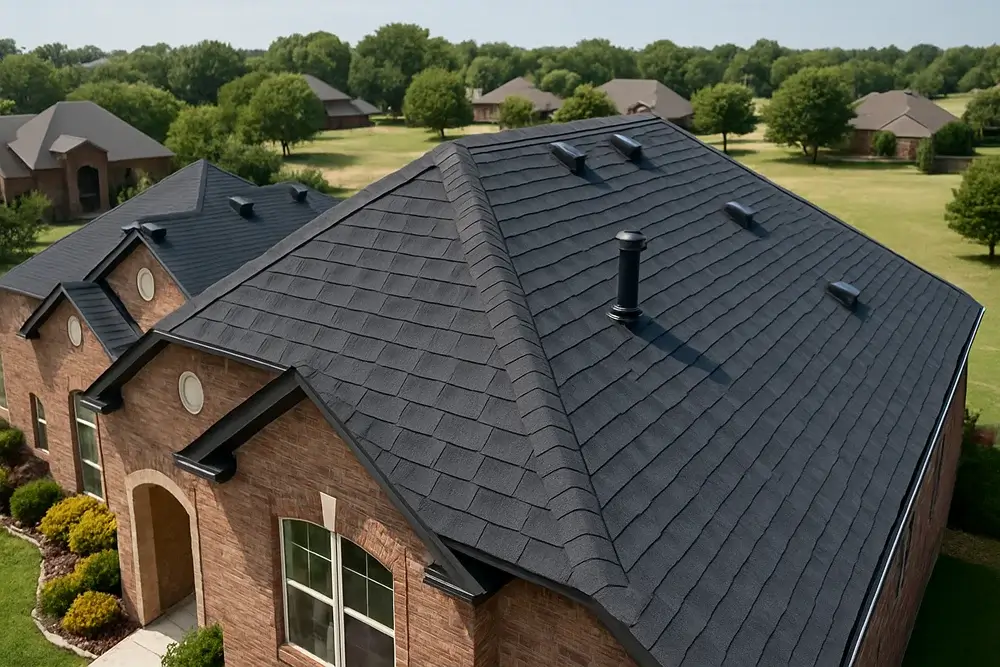
Installed under eaves, soffit vents allow cooler outside air to flow into the attic. They pair best with ridge vents for balanced circulation.
Ridge Vents
Running along the peak of the roof, ridge vents let hot air escape. This prevents the attic from becoming a heat trap during August afternoons.
Gable Vents
Positioned at the ends of a roof, gable vents help cross-ventilate the attic. They’re useful in older homes across Collin County neighborhoods.
Powered Ventilators
Electric or solar-powered fans actively draw hot air out of the attic. While effective, they must be installed correctly to avoid pulling conditioned air from the living spaces.
Each option comes with its pros and cons, but combining intake (soffit) and exhaust (ridge) vents typically delivers the most balanced results for Wylie homes.
Real-World Example from a Wylie Homeowner
One of our recent customers on Country Club Road noticed their upstairs bedrooms were nearly unlivable in August. Even with new insulation, the rooms stayed hot. After an inspection, we found inadequate soffit intake vents. By adding continuous soffit vents and balancing them with a ridge vent, the attic temperature dropped by nearly 25 degrees. The homeowner reported that their AC finally “caught a break” during the hottest part of the day.
This is why following trusted roof ventilation tips in Wylie can have immediate and noticeable benefits.
Local Weather Factors in Wylie
North Texas summers aren’t just hot, they’re unpredictable. NOAA data shows August storms can bring sudden downpours, and the hail risk lingers into late summer. Proper roof ventilation doesn’t just fight heat, it helps prevent moisture buildup after storms. If trapped, this moisture can damage decking, rafters, and even drywall ceilings.
Unlike places like Highlands Ranch where hail hits hard in May, Wylie’s late summer weather often combines searing heat with sudden humidity. Roofers must plan ventilation systems that handle both extremes.
Step-by-Step Roof Ventilation Tips in Wylie
Let’s break down practical steps you can take:
- Inspect Soffit Openings – Check for paint, insulation, or debris blocking airflow. Clear them to restore intake.
- Examine Ridge Vents – Ensure shingles or sealants haven’t restricted exhaust flow.
- Look for Uneven Shingle Wear – Hot spots on the roof often point to poor ventilation.
- Measure Attic Temperatures – If it’s more than 20°F above outside air, airflow is inadequate.
- Call for a Professional Roof Inspection Service – Roof Inspection Service ensures a licensed roofer evaluates your unique system.
By taking these steps, you address the specific needs of your home, not just general roofing advice.
Deeper Look at Ventilation in Wylie Homes
Licensed roofers across Wylie stress that ventilation must match your roof’s design. For example: A steep-pitch roof in the Inspiration neighborhood may need extended ridge venting.
Ranch-style homes near downtown Wylie often benefit from a balanced soffit and gable vent mix.
Homes with new metal roofing systems require specialized vent systems to prevent condensation buildup.
Practical, hands-on experience proves that cookie-cutter solutions don’t work. By applying local knowledge and careful planning, roofers create airflow that stands up to August extremes. That’s why more homeowners are searching for roof ventilation tips in Wylie designed specifically for their property type.
How Ventilation Affects Indoor Comfort
The benefits go beyond roof health. Families across Wylie often notice:
- Cooler upstairs bedrooms during the night.
- Reduced musty smells from stagnant attic air.
- Fewer complaints about “that hot room” when hosting guests.
One customer near Lake Lavon told us their kids could finally use the upstairs game room again once proper airflow was installed. These everyday improvements prove how powerful roof ventilation tips in Wylie can be when applied correctly.
Local Expertise Matters
Not all ventilation guides online account for Texas conditions. Our licensed team at Ripcord Roofing has worked on subdivisions across Wylie, from Woodbridge to Bozman Farms, and we’ve seen how different rooflines require customized airflow solutions. We know how the August sun beats down at midday, and how sudden shifts in humidity can wreak havoc if your attic isn’t properly vented. Knowing the roof ventilation tips in Wylie can save you.
When you Visit us in our office in Wylie, TX, you’ll meet local roofers who have lived through these conditions and understand what your home needs.
This blog focuses solely on ventilation improvements. While roof damage from heat and storms is common in Wylie, we make no promises about insurance coverage. Always consult your insurance provider for claim-related questions.
Conclusion
August in Wylie brings relentless heat, but you don’t have to suffer through it. By applying the right roof ventilation tips in Wylie, you can protect your home, improve comfort, and help your AC run more efficiently. From soffit vents to ridge vents, each solution plays a role in keeping your roof and attic balanced.
Schedule an Inspection with Ripcord Roofing today and let our licensed local experts help you beat the heat while protecting your investment.
Frequently Asked Questions
How do I know if my attic is too hot?
If your attic feels like a furnace and temperatures reach 120–140°F, airflow is likely restricted. Monitoring with a simple thermometer helps confirm this.
Do powered attic fans help in Wylie?
They can, but only if intake vents are adequate. Otherwise, they may pull conditioned air from inside your home instead of outdoor air.
Will roof ventilation lower my energy bills?
Proper airflow reduces attic heat, which lessens the load on your AC. While exact savings vary, most homeowners notice lower cooling costs.
Can I add more vents myself?
Some small fixes are DIY-friendly, but cutting into a roof deck or ridge line should always be handled by licensed professionals.
How often should ventilation be inspected?
We recommend reviewing ventilation every 1–2 years, or after major storms, to ensure airflow remains balanced. Understanding the roof ventilation tips in Wylie will benefit your home.