










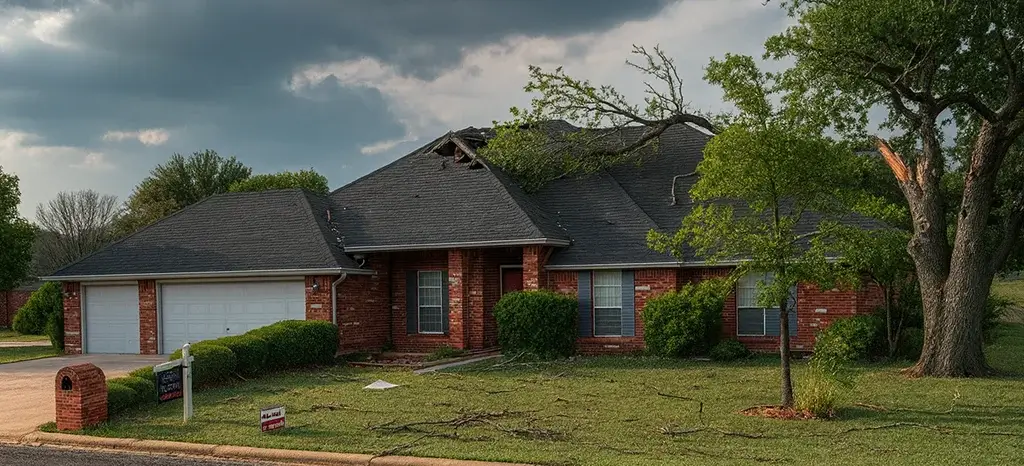
Every November, as cold fronts sweep through North Texas, Hunt County homeowners brace for one of the year’s most unpredictable weather seasons. High winds, heavy rain, and even the occasional hailstorm test every shingle, gutter, and flashing on rural homes from Greenville to Commerce. For many, these weather events reveal hidden vulnerabilities. That’s why understanding Hunt County storm damage, and how to address it, is essential before winter arrives.
This educational guide blends the real-world insights of licensed Texas roofers, NOAA weather data, and local homeowner stories to give you a clear, step-by-step understanding of storm preparedness and recovery. Whether you live off Highway 69 or near Lake Tawakoni, learning how to assess Hunt County storm damage properly can help you protect your home, finances, and peace of mind in 2025.
Why Storm Damage Education Matters
Storms in rural areas hit differently than in the city. Wide-open fields give wind and hail more space to build strength, and tree-lined properties increase the risk of falling limbs. Licensed roofers across the region emphasize that Hunt County storm damage often goes unnoticed until months later, when leaks or sagging ceilings appear.
NOAA records show Hunt County experiences multiple severe weather events annually, including hail, straight-line winds, and heavy rain. The 2024 season saw more than 30 hail reports across Northeast Texas alone. Understanding how to inspect, document, and respond to these conditions can save homeowners thousands in repairs.
November’s High Winds and Rural Impact
As fall deepens, cold fronts sweeping down from Oklahoma collide with lingering Gulf moisture. That mix creates sharp temperature drops, strong gusts, and line storms that stretch from Quinlan to Wolfe City. November is when Hunt County storm damage becomes most visible, missing shingles, scattered branches, and dented gutters mark the aftermath.
For rural homeowners, these storms often mean extra work: clearing fallen limbs, securing barns or outbuildings, and checking metal roofs for uplift. Experienced contractors note that the key to prevention lies in preparation, inspecting flashing, trimming trees, and reinforcing vulnerable areas before high winds arrive.
Step 1: Inspect Your Roof Safely
After a storm, it’s tempting to climb up and inspect damage yourself. But safety comes first. Before walking on any roof, licensed roofers recommend performing a visual inspection from the ground. Look for:
- Shingles scattered in the yard or driveway
- Bent or detached gutters
- Branches or debris lodged in valleys or vents
- Missing ridge caps or lifted flashing
These early signs of Hunt County storm damage can indicate more serious structural issues. If you suspect hidden leaks, contact a professional immediately.
Step 2: Document Everything Thoroughly
Proper documentation makes a huge difference in addressing Hunt County storm damage efficiently. Take high-resolution photos and short videos of all affected areas, both inside and outside. Include date and time stamps when possible.
Licensed roofers emphasize that documenting even minor dents or cracks helps create a complete record of the event. This information is invaluable for maintenance planning and future reference.
If you’re unsure what to capture, focus on:
- Roof surfaces and edges
- Skylights, vents, and flashing seams
- Water stains on ceilings or walls
- Detached or damaged gutters
Having this evidence ready speeds up repair coordination and ensures nothing is overlooked later.
Step 3: Schedule a Professional Roof Inspection
Even when a roof appears intact, underlying issues may be developing. Moisture trapped beneath shingles can cause long-term deterioration. A certified roofer trained in Hunt County storm damage inspections can identify subtle but serious problems like:
- Bruised or fractured shingles from hail
- Bent flashing around chimneys
- Weak decking beneath impact zones
- Water penetration through seams or vents
Our licensed team uses specialized tools, including moisture meters and drone imagery, to perform thorough evaluations without disrupting your property. These inspections reveal the true condition of your roof and guide appropriate repair strategies.
Step 4: Make Immediate Temporary Repairs
If water is entering your home, temporary fixes can prevent additional damage until permanent repairs are made. Professional Hunt County storm damage crews often install tarps, seal open seams, or secure flashing to keep moisture out.
For homeowners, the best approach is to act quickly while avoiding DIY risk. Improper repairs can cause more harm than good. Our technicians are trained to stabilize storm-impacted areas safely and effectively until full restoration can begin.
Step 5: Work with a Trusted Local Contractor
Storm recovery attracts opportunistic contractors from outside the area, often referred to as “storm chasers.” They appear after major weather events, offering fast fixes but disappearing when problems arise later.
That’s why homeowners rely on trusted local experts for Hunt County storm damage repairs. Ripcord Roofing has served North Texas communities for years, earning trust through transparent pricing, certified workmanship, and deep local knowledge. We understand the region’s building codes, roofing materials, and unpredictable weather cycles.
Real-World Example: A Greenville Home Restored
In spring 2024, a family in Greenville experienced roof uplift and gutter collapse after a severe windstorm. Initially, they assumed the damage was minor. But over the following months, water seeped beneath the decking, leading to interior ceiling stains.
When our crew performed a detailed Hunt County storm damage inspection, we uncovered cracked flashing and punctured shingles hidden beneath debris. Within a week, we replaced compromised areas, reinforced ventilation seams, and resealed joints. The homeowner later told us, “We didn’t realize how bad it was until you showed us. The roof’s stronger now than ever before.
Step 6: Understand Storm Patterns and Prevention
Each region of Texas faces its own weather risks. While Highlands Ranch, Colorado deals with hail, and Littleton faces sudden monsoon bursts, Hunt County’s biggest threats come from straight-line winds and scattered hail.
According to NOAA, average wind gusts during fall storms can exceed 50 mph, enough to lift shingles or tear siding from homes. Preventing Hunt County storm damage means reinforcing weak areas before the next front hits:
- Secure loose shingles and flashing
- Clean gutters to prevent water backup
- Trim tree limbs near the roofline
- Inspect attic ventilation for leaks or gaps
Our maintenance plans include seasonal roof checks, ensuring your property remains storm-ready year-round.
Step 7: Plan for Long-Term Resilience
True storm protection isn’t just about repairs, it’s about resilience. Modern materials like impact-resistant shingles, reinforced flashing, and upgraded gutter systems offer superior defense against North Texas weather.
Investing in these upgrades after Hunt County storm damage helps reduce future repair costs. Many business owners and rural homeowners also explore metal roofing options, prized for their durability and wind resistance.
For example, one Hunt County ranch owner upgraded from traditional asphalt shingles to a standing-seam metal roof. After last November’s storms, their structure remained completely unaffected while nearby barns showed visible wind damage.
Local Expertise You Can Rely On
Ripcord Roofing brings years of hands-on experience to every project across Hunt County and beyond. We specialize in residential and commercial storm repair, gutter replacement, and preventative maintenance. Our certified crews use cutting-edge inspection tools and region-specific materials to ensure every Hunt County storm damage repair meets Texas standards.
We also assist clients across North Texas, including Plano Texas Storm Damage assessments, giving property owners consistent support wherever weather strikes.
When you Visit us in our office in Wylie, TX, you’ll meet a team that values honesty, craftsmanship, and community trust above all else.
Conclusion
Hunt County homeowners face unique challenges, open landscapes, powerful winds, and unpredictable fall weather. But with the right preparation and professional guidance, you can stay ahead of storm damage.
From inspections to long-term protection, Ripcord Roofing provides dependable solutions rooted in local expertise. Don’t wait until leaks or drafts appear, take proactive steps now to safeguard your home.
Schedule an Inspection with Ripcord Roofing today and ensure your roof is ready for whatever North Texas weather brings next.
Frequently Asked Questions
How soon should I inspect my roof after a storm?
Immediately. Early detection of Hunt County storm damage prevents leaks and structural decay.
Can small hail really damage my roof?
Yes. Even minor hail can bruise shingles, weakening them over time and allowing water infiltration.
What if I don’t see visible damage?
Hidden damage is common. Schedule a professional inspection to identify unseen issues before they worsen.
Should I repair or replace my roof after a storm?
It depends on the severity. A trusted local contractor will assess whether targeted repairs or full replacement is needed.
Do I need to file a claim right away?
While prompt documentation is key, consult a licensed roofing professional first for an accurate condition report.