







Every fall, as cooler nights arrive, Dallas homeowners start asking the same question: do metal roofs really “get hotter” under the Texas sun? The idea has lingered for years, leaving many families hesitant about upgrading. This educational guide clears up the myths about metal roofs vs heat damage so you can make informed choices for your home.
By blending NOAA climate data, roofer experience, and real Dallas homeowner stories, we’ll show why metal roofs vs heat damage concerns are often exaggerated or misunderstood. Whether you live in Lake Highlands, Oak Cliff, or the suburbs near Plano, understanding the science behind metal roofing and heat performance can save you money and stress.
The Myth: Metal Roofs Get Hotter than Asphalt
One of the most common misconceptions about metal roofs vs heat damage is that metal absorbs more sunlight and makes attics unbearably hot. The truth is more nuanced.
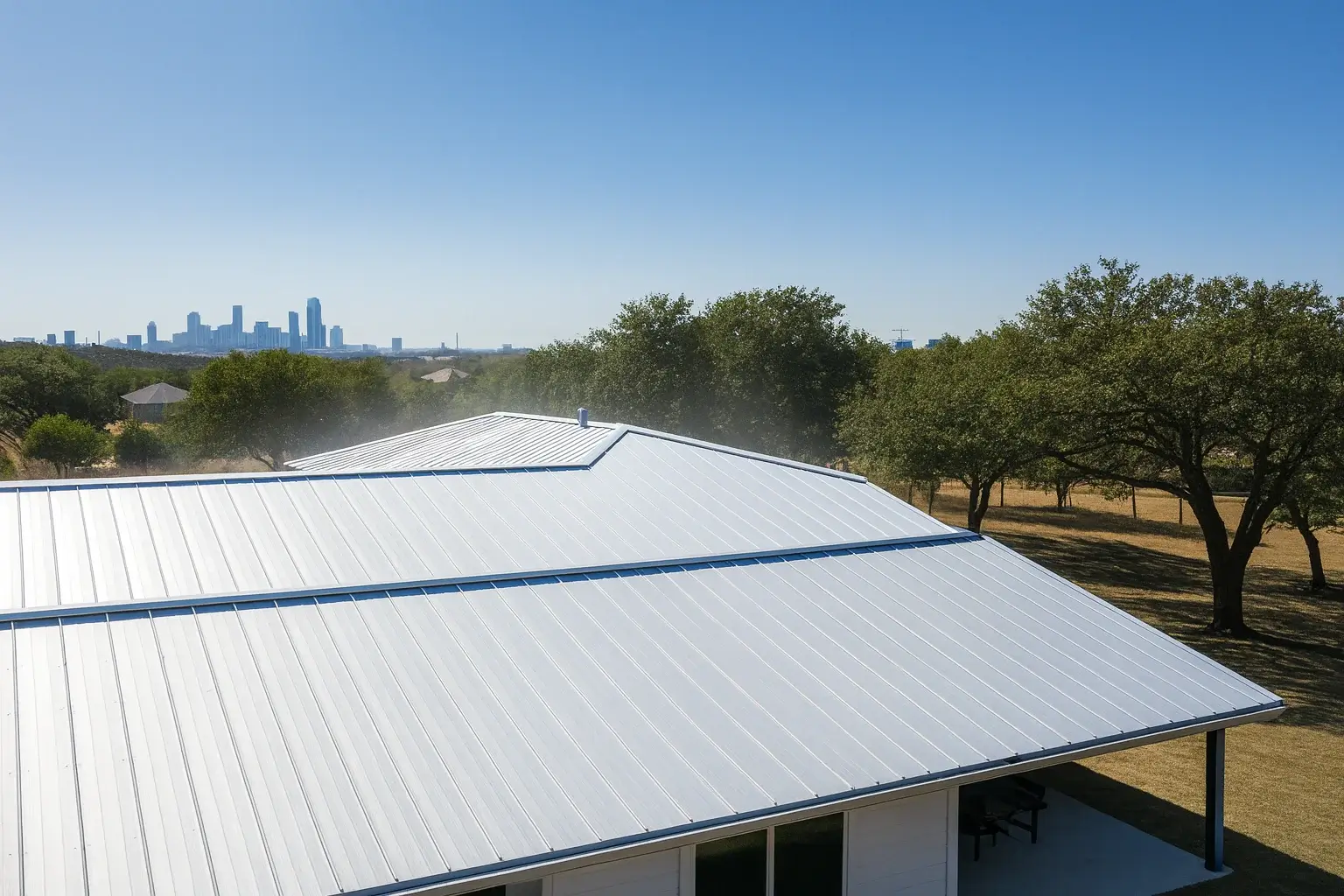
While metal does heat quickly when exposed to sun, modern reflective coatings and proper attic ventilation balance temperatures effectively. In fact, a properly installed metal roof may transfer less heat into your home than aging asphalt shingles. Licensed roofers often point out that asphalt tends to retain heat longer, while metal sheds it more quickly once the sun sets.
The Reality of Dallas Heat and Roofing
Dallas weather brings extremes, triple-digit summers, quick-moving thunderstorms, and sudden cold snaps. NOAA data confirms that Dallas averages over 230 sunny days a year, far above the national average.
When comparing metal roofs vs heat damage, roofers emphasize two key points:
- Ventilation Matters Most – Attic ventilation is the real driver of indoor comfort.
- Reflective Technology – Many modern metal roofs come with cool-roof coatings designed to reflect UV rays.
These two factors mean that Dallas homes with metal roofs often experience no more heat transfer than those with asphalt, sometimes even less.
Local Roofer Insights
Our crews often explain to homeowners that the question of metal roofs vs heat damage comes down to installation. A poorly ventilated attic will trap heat regardless of material. Conversely, a well-installed metal roof paired with ridge vents and soffit vents can reduce summer attic temps significantly.
We’ve seen homeowners in Preston Hollow upgrade to metal and later report cooler upstairs bedrooms, even during August.
Customer Story: From Skeptic to Advocate
A homeowner in East Dallas was hesitant about switching to metal roofing after a neighbor warned that their “roof would cook the attic.” We installed a standing seam system with reflective paint and ensured balanced ventilation. After the first summer, the homeowner told us their cooling bills dropped by nearly 15%. The myth about metal roofs vs heat damage was debunked in their own experience.
Comparing Asphalt and Metal in the Texas Sun
- Asphalt Shingles – Absorb and hold heat long after sunset. Can cause attic temperatures to stay high into the night.
- Metal Roofs – Heat quickly but cool rapidly when shaded. Reflective finishes can reduce solar gain.
This side-by-side view highlights why metal roofs vs heat damage debates often overlook cooling benefits. Asphalt may feel cooler to the touch at first glance, but in reality, it radiates stored heat longer.
Why Fall is a Good Time to Decide
Fall is when Dallas homeowners start tackling projects before winter. It’s also when myths about metal roofs vs heat damage resurface in conversations. By addressing these myths now, you can make upgrades before the next round of severe weather.
September storms can still hit hard, overwhelming gutters and damaging shingles. Choosing a durable material like metal ensures protection through both summer heat and winter ice.
Practical Advice from Licensed Roofers
When considering metal roofs vs heat damage, keep these tips in mind:
- Choose light-colored or reflective coatings to minimize heat absorption.
- Ensure your roofer balances intake and exhaust ventilation.
- Ask about Energy Star-rated metal roofing products.
- Don’t compare touch temperature alone, consider long-term energy efficiency.
Local Weather Comparisons
Dallas weather is unique, but myths about metal roofs vs heat damage show up nationwide. In Highlands Ranch, Colorado, hail damage is the main worry. In Littleton, sudden monsoons flood gutters. In Dallas, it’s the heat. Licensed roofers note that in every case, installation quality determines performance more than climate alone.
Extending Roof Life Under Heat
Another part of the metal roofs vs heat damage discussion involves durability. Asphalt shingles can dry, crack, and curl under repeated exposure to Texas heat. Metal roofs, however, resist UV breakdown and maintain integrity for decades. With coatings that reflect sunlight, they often outlast asphalt by 20–30 years.
Local Expertise You Can Trust
Ripcord Roofing has installed countless metal systems across Dallas, Plano, and beyond. We know how to balance attic ventilation, apply reflective technology, and dispel myths. When you choose us, you’re not just buying a roof, you’re getting a team that understands the reality of metal roofs vs heat damage in Texas.
We also provide Dallas Metal Roofs for homeowners seeking long-term value and resilience.
When you Visit us in our office in Wylie, TX, you’ll meet with local experts ready to walk you through your options. This blog is focused on myth-busting and education. We stress accurate expectations and do not make promises regarding insurance coverage.
Conclusion
Fall is the perfect time to cut through the myths about metal roofs vs heat damage. With reflective coatings, proper installation, and local expertise, metal roofs perform exceptionally well in Dallas heat. They’re durable, efficient, and resilient against storms that challenge traditional shingles.
Schedule an Inspection with Ripcord Roofing today to learn how a metal roof can protect your Dallas home for decades to come.
Frequently Asked Questions
Do metal roofs make attics hotter?
No. With proper ventilation and reflective coatings, metal roofs vs heat damage show no significant increase compared to asphalt.
Will a metal roof lower my energy bills?
It can. Many Dallas homeowners report lower cooling costs due to reflective finishes and quicker cooling cycles.
Are metal roofs noisy in rain?
Not with proper decking and insulation. Modern systems are as quiet as asphalt roofs.
Do metal roofs warp in Texas heat?
No. Quality systems are designed to expand and contract safely with temperature changes.
Why are people still unsure about metal roofs?
Because myths about metal roofs vs heat damage have circulated for years without considering modern technology and installation standards.