








Late-August wind and rain can turn a small roof issue into a full-blown leak before fall even arrives. Homeowners across Dallas know this cycle all too well: heat bakes shingles all day, then a sudden storm rolls in with wind, rain, and even hail. The result is damage that demands immediate attention. Understanding roof repair after summer storms is the best way to keep your home dry, safe, and structurally sound.
In this guide, we’ll share narrative advice based on local roofer experience, NOAA weather data, and stories from Dallas homeowners who faced storm damage head-on. From spotting warning signs to taking safe first steps, this blog will walk you through everything you should know about roof repair after summer storms in North Texas.
Why Summer Storms Hit Dallas Roofs So Hard
Dallas is no stranger to unpredictable weather. According to NOAA reports, late-summer storms in North Texas often combine high winds, heavy rain, and lightning strikes. When those storms sweep across neighborhoods like Lake Highlands, Oak Cliff, or Preston Hollow, shingles loosen, flashing pulls away, and gutters overflow.
Heat makes things worse. Attic spaces can reach over 130°F in August, weakening adhesives and drying out shingles. When rain slams down afterward, water pushes into small cracks and crevices. That’s when homeowners need quick roof repair after summer storms to stop problems from spreading.
The First 24 Hours After a Storm
Our licensed roofers always advise homeowners to follow three steps in the first 24 hours:
- Stay Safe – Don’t climb onto the roof. Instead, do a visual inspection from the ground or upstairs windows.
- Document Damage – Take photos of missing shingles, gutter blockages, or water stains on ceilings. Documenting is key to understanding the extent of your needed roof repair after summer storms
- Call a Professional – Contact a local roofer you trust. The earlier damage is assessed, the easier it is to prevent further water intrusion.
One homeowner near White Rock Lake ignored a small drip in the attic after an August storm. By the time we inspected, the leak had spread into insulation and drywall. Early calls for roof repair after summer storms often save thousands in repair costs.
Visible Signs That Repairs Are Needed
After high winds and rain, Dallas homeowners often notice:
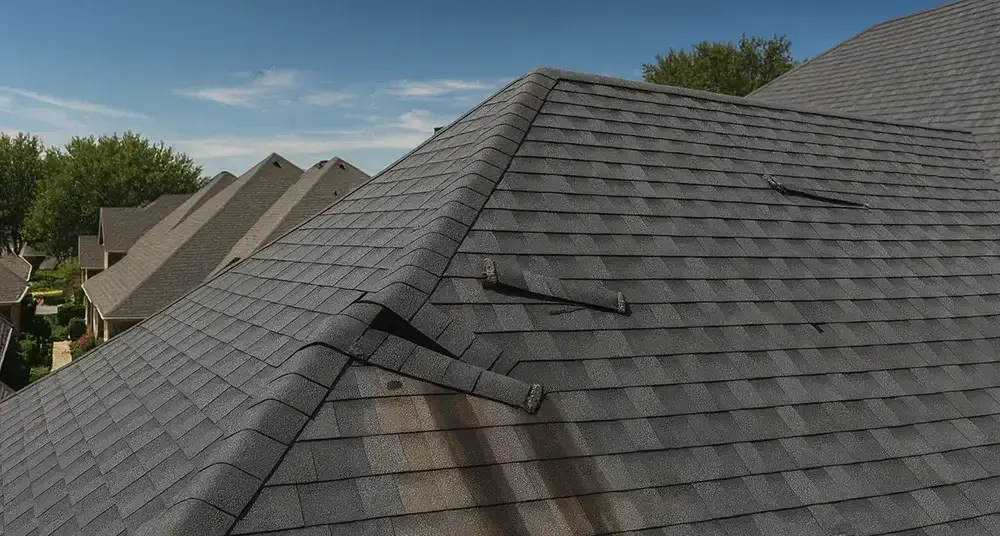
- Lifted shingles that curl upward.
- Dark water stains spread across upstairs ceilings.
- Granule piles at downspouts, showing shingle erosion.
- Rusting fasteners in the attic after a night of rain.
- Mold smell in upstairs closets or hallways.
If any of these appear, it’s time for roof repair after summer storms. Even minor gaps can let in enough water to damage decking and rafters.
A Real Dallas Scenario: Storm Damage in Lakewood
In Lakewood, one family heard shingles hitting their driveway during a late-August storm. They assumed the damage was limited until their living room ceiling bubbled with water stains. When we inspected, entire sections of ridge shingles had lifted. Quick roof repair after summer storms replaced those shingles, resealed flashing, and stopped leaks before fall rain made the problem worse.
This isn’t unusual. Similar situations play out across Dallas neighborhoods every year, from Bishop Arts bungalows to newer builds in Far North Dallas.
Local Weather Patterns to Consider
What makes Dallas unique is the clash of heat and sudden rainfall. Unlike Highlands Ranch, where hailstorms often dominate in May, or Littleton, where monsoons sweep in during late summer, Dallas sees a mix of both. Homeowners here must be prepared for hail one week, driving rain the next.
That’s why licensed roofers stress vigilance in August and September. These months bring the kind of storms that most often trigger urgent calls for roof repair after summer storms.
Step-by-Step Roof Repair After Summer Storms
Here’s how professional roofers approach the process:
- Inspection – Assess shingle condition, flashing, gutters, and attic moisture.
- Temporary Protection – Apply tarps if leaks are active.
- Material Replacement – Swap damaged shingles or sealants with new materials matched to the roof.
- Waterproofing – Re-seal flashing and valleys to handle driving rain.
- Attic Dry-Out – Address any wet insulation to prevent mold.
Every repair is unique, but the goal is the same: prevent further water intrusion and restore roof integrity.
For homeowners outside Dallas, we also provide Roof Repair Plano services tailored to Collin County neighborhoods.
How Delays Make Repairs Worse
Licensed roofers in Dallas warn that waiting even one or two weeks can turn a patchable problem into a structural issue. Once water enters decking, it doesn’t just stain ceilings, it weakens the wood. By the time fall storms roll in, leaks multiply. Timely roof repair after summer storms is the difference between replacing a few shingles and replacing sections of the roof.
Local Expertise Matters
National advice blogs can’t account for Dallas-specific weather. Ripcord Roofing has worked on homes from Downtown to Richardson and knows how late-August storms punish rooftops. Our licensed team has firsthand experience balancing heat damage with storm repairs.
When you Visit us in our office in Wylie, TX, you’ll talk with roofers who live here, understand local storm patterns, and know what your home faces every summer. This blog discusses safe ways to document leaks and damage. While Ripcord Roofing helps with inspections and repairs, we avoid any promises related to insurance claims. Always consult your insurer directly.
Conclusion
Late-August storms in Dallas bring a unique mix of heat, wind, and heavy rain that can push even newer roofs to the limit. Knowing how to handle roof repair after summer storms helps protect your home from leaks and structural damage. From documenting issues early to calling licensed professionals, every step matters in keeping your roof ready for fall.
Schedule an Inspection with Ripcord Roofing today to ensure your roof is storm-ready and secure for the months ahead.
Frequently Asked Questions
How soon should I get roof repairs after a storm?
Immediately. The longer leaks are left untreated, the more water spreads into insulation and framing.
Can small leaks wait until fall?
No. Even small leaks expand with each storm. Early roof repair after summer storms is always less expensive.
What if I can’t see obvious damage?
Not all issues are visible from the ground. A professional inspection can spot hidden weaknesses.
Are Dallas roofs more at risk than other areas?
Yes. The mix of extreme heat and sudden storms makes roofs here more vulnerable than in steady climates.
Do you only work in Dallas?
No. Ripcord Roofing also serves surrounding areas, including Plano, Wylie, and other Collin County communities.